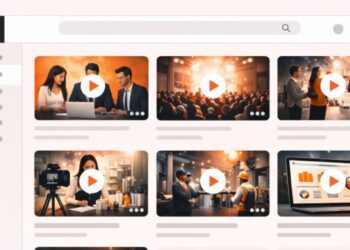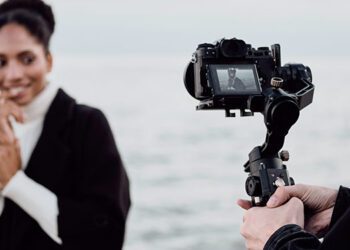



Stock footage, including AI-generated clips, has become an essential tool in the video production industry. It provides a wealth of visual resources that can enhance storytelling, fill in gaps, and elevate the overall production quality of a video. However, the key to using stock footage effectively is ensuring that it serves the story and maintains cohesion with the rest of the footage.
The Benefits of Stock Footage in Video Production
Stock footage can be invaluable for many types of projects. It offers a cost-effective and time-efficient way to incorporate high-quality visuals that may otherwise be difficult or impossible to capture. Some key advantages include:
- Access to Hard-to-Capture Shots – Drone shots, aerial views of cities, landscapes, or even specific locations can be expensive and time-consuming to shoot. Stock footage allows filmmakers to incorporate these visuals seamlessly.
- Enhancing Storytelling – By carefully selecting stock footage that aligns with the video’s narrative, editors can create a more engaging and dynamic visual experience.
- Expanding Visual Diversity – Stock footage helps diversify imagery, allowing videos to showcase different locations, people, and environments beyond what was captured during a single shoot.
- Adding Context and Emotion – The right stock footage can reinforce key themes in a video. For example, in a corporate video, if someone talks about “navigating a chaotic world,” a quick clip of a bustling city can visually reinforce the statement.
- Filling Gaps in B-Roll – Sometimes, despite careful planning, there may be missing B-roll elements. Stock footage can provide those missing visuals, keeping the video smooth and polished.
Our Approach to Using Stock Footage
At Matt Callian Videography, we believe stock footage should enhance a project rather than feel disconnected or forced. That’s why, as experts in video production in Sydney, we follow a structured approach when incorporating stock footage into our productions:
1. Start with the Script and Concept
Before considering stock footage, we focus on the core message of the video. We map out the storyline, ensuring that our primary footage (A-roll and B-roll) aligns with the video’s objectives.
2. Prioritise Original Footage
Whenever possible, we rely on footage captured during production. During shoots, we maximise the amount of B-roll footage we capture to ensure as much relevant content as possible. This keeps the video visually cohesive and authentic to the brand’s identity.
3. Assess the Need for Stock Footage
Once we’ve assembled the initial edit, we review whether stock footage is necessary. If we find gaps or opportunities to enhance the visuals, we brainstorm ideas for relevant and seamless stock footage.
4. Select the Right Stock Footage
Choosing stock footage is a meticulous process. We use licensed stock footage platforms to source high-quality clips that match the video’s visual style, branding, and tone. The footage must complement, not distract from, the core message.
5. Seamlessly Integrate Stock Footage
Once we find the right clips, we carefully implement them into the edit, ensuring smooth transitions and a natural look. The goal is for the stock footage to feel like an organic part of the video, rather than an obvious add-on.
Stock Footage in Corporate Video Production
In corporate video production, stock footage can make a significant difference. Many corporate shoots take place in a single location, often within a limited timeframe. This can lead to a visually monotonous video if not handled creatively. Stock footage allows us to:
Break Visual Repetition – Corporate videos often consist of interviews and office shots. Stock footage can add variety and maintain viewer engagement.
Expand the Narrative Scope – If a speaker discusses global impact, using stock footage of international locations or diverse teams can reinforce the message.
Enhance Editing Flexibility – Cutting A-roll (interview footage) often involves removing pauses, filler words, and mistakes. While multicam setups can help smooth transitions, excessive switching between cameras can become distracting. Stock footage and additional B-roll help mask these cuts, creating a more fluid final product.
The Creative Eye Behind Stock Footage
While stock footage is a powerful resource, it requires a creative approach to be effective. Simply inserting random clips can make a video feel disjointed or generic. A skilled editor or producer knows how to:
- Choose stock footage that aligns with the video’s theme and branding.
- Maintain consistency in lighting, colour grading, and visual style.
- Use AI-generated footage creatively when custom elements are needed.
- Seamlessly blend stock and original footage for a natural look.
Conclusion: Is Stock Footage Right for Your Project?
Stock footage can be a game-changer when used strategically. If it enhances the message and integrates seamlessly with the original footage, it’s a valuable asset. However, if it feels forced or disconnected, it can detract from the overall impact of the video.
At Matt Callian Videography, we believe in using stock footage as a tool to elevate video content while keeping it authentic and engaging. Our methodical approach ensures that every piece of footage, whether original or stock, contributes to a cohesive and compelling final product.
If you’re considering stock footage for your next video project, let’s chat about how we can make it work for you!